


Airlearn - Language Learning
4.63.77K Reviews
App Specs
- Version
- 3.13.11
- Updated On
- License
- Free
- Downloads
- 5,000,000+
- Developer
- Airlearn Tech
- Categories
- Education
- Platform
- Android, iOS
Screenshots


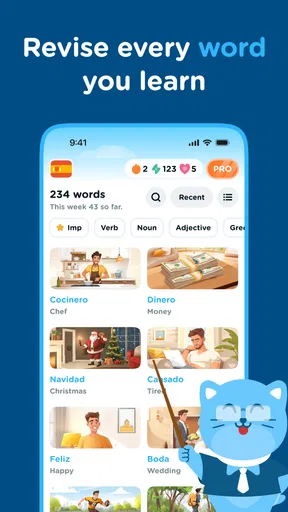

 Analysis by AppCompare
When I want to make progress in a language without turning every spare moment into a formal study session, I look for lessons that feel manageable and give me something useful to try afterward. That is the appeal I see in Airlearn - Language Learning: it aims to make practice approachable while covering several languages, rather than asking me to commit to a single course style from the outset.
What the current version is trying to do
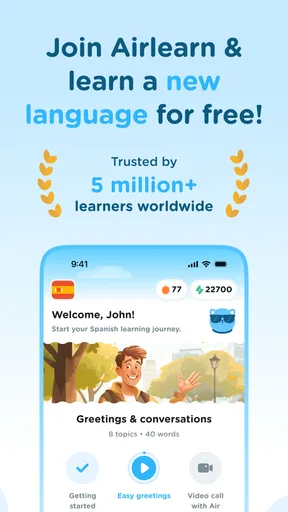
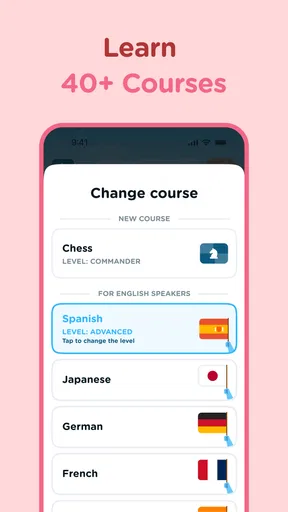
Airlearn is an education app from Airlearn Tech, with Spanish, French, Japanese, Korean, German, Chinese, Russian, and Italian among its choices. Its current version is 3.12.48, and it is free to install, with in-app purchases listed from $4.99 to $124.99 per item. That combination makes it easy to try, but I would still check the purchase details in the app before committing to anything paid.
The app has a 4.7 average from around 35,000 ratings, and it has passed over 1 million installs. Those figures suggest that plenty of learners have given it a try, but they do not tell me whether its teaching style suits my own goals. I treat popularity as a reason to look closer, not as proof that an app will work for everyone.
What its release and version tell me—and what they do not
Airlearn was released on April 11, 2024. Its present version number shows that the app has continued to receive version changes since launch, which is a useful sign of ongoing product development. A version number alone, though, does not explain exactly what changed, so I would not assume that a particular lesson, language, or feature was added recently without checking the app itself.
For someone already using Airlearn, the practical question is whether the current build still fits their routine and runs well on their device. It supports Android 11 and later, so a phone on an older Android release may not be able to install it. The age rating is Everyone, which makes the intended audience broad, though learners should still judge whether the teaching approach and available material match their age and needs.
How I would fit it into an ordinary day
I would use Airlearn in small, repeatable windows rather than waiting for a perfect hour of free time. For example, I might complete a short lesson while waiting for an appointment, then try to recall a few of its words later while making dinner. That second step matters: tapping through exercises can feel productive, but trying to retrieve a phrase without seeing the answer is a better check of what stayed with me.
If I were learning Japanese or Chinese, I would also slow down enough to notice where a lesson asks me to recognize a word and where it expects me to produce one. Those are different skills. A learner who can identify a phrase in a multiple-choice exercise may still hesitate when speaking, so I would treat each lesson as a starting point and look for chances to say useful expressions aloud in my own time.
Worth Reading Before You Choose

EA SPORTS FC Mobile 26 Is a Bigger Football Game, but It Takes Time

Flipboard Shows What News Apps Must Do Beyond the Feed

Switching to Android Auto Means Rethinking Your Driving Routine

Google Calendar Makes a Crowded Week Easier to Manage

Ludo King Makes the Most of the Minutes Between Plans

Baby Panda World Brings Quick Play to Modern Phones, but Its Game Library Feels Busy
Where it sits among language-learning options
Compared with a traditional textbook, an app-based course is easier to pick up for a few minutes and can make repetition less dull. Compared with a tutor or conversation exchange, however, it cannot replace the unpredictability of a real person responding to what I say. I see Airlearn as a convenient practice companion, not a complete substitute for conversation, listening to varied speakers, or getting detailed correction on personal writing.
It also occupies a different space from open-ended video lessons and podcasts. Those can expose me to longer stretches of natural speech, but they often require me to plan my own path and decide what to review. A guided app can reduce that setup work. The trade-off is that I may spend more time following the lesson sequence than exploring the topics I personally find most relevant.
Who is likely to get the most from it
I would recommend trying Airlearn if you are a beginner, returning to a language after a break, or someone who finds a large textbook hard to approach. Its range of language choices is handy if you are deciding what to study, and the free entry point gives you a way to test whether the format feels comfortable before considering purchases.
I would be more cautious if you need a tightly defined qualification course, specialist vocabulary for work, or frequent expert feedback. In those situations, a structured class, a qualified tutor, or materials aimed at your exact field may serve you better. Airlearn can support regular practice, but I would not rely on a general-purpose learning app alone for a high-stakes language goal.
Getting Started with Airlearn
The first thing that caught my attention is how user-friendly the app is. Signing up was a breeze, and I was greeted with a clean interface that made navigating through the various features simple. I could choose from a variety of languages, which was awesome because it feels like they have something for everyone. Whether you're into French, Spanish, or something less mainstream like Korean, Airlearn has you covered.
Once I picked my language, the app asked me about my learning goals. It’s like they really wanted to tailor the experience to my needs. I decided to aim for conversational fluency, and the app set up a personalized plan. Nice touch, right?
Interactive Lessons
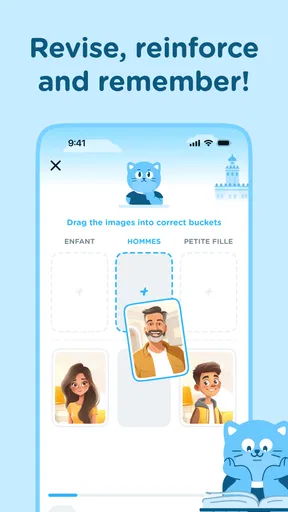
Now, onto the lessons. They are bite-sized, making it easy to fit learning into a busy schedule. Each lesson includes a mix of reading, writing, listening, and speaking exercises. The audio clips are clear, and I found the voice recognition feature surprisingly accurate. It felt like having a mini language tutor in my pocket!
One feature I particularly enjoyed was the use of real-world scenarios. Instead of just memorizing vocabulary, I was learning how to order food, ask for directions, and even make small talk. It felt practical and immediately useful.
Game-Like Experience
What makes Airlearn stand out is its gamified approach. The app uses points, badges, and challenges to keep you motivated. I personally found myself trying to beat my previous scores, which made the whole learning process a lot more engaging. It’s like Duolingo, but with its own unique twist.
The app also lets you connect with friends or other learners, so you can challenge each other. This social aspect added a competitive edge that made me come back for more.
Progress Tracking
Another cool feature is the progress tracker. It gives you a clear view of your development, showing how far you've come and what areas need more attention. I loved seeing my progress, and it really boosted my confidence. Plus, the app sends reminders to help keep you on track, which is perfect if you're prone to forgetting your study sessions.
To get more than a reassuring progress screen, I would use that tracker to decide what to revisit. If a lesson feels easy, I would still test myself later without looking at prompts; if a topic keeps slowing me down, I would repeat it before advancing. A streak or score can encourage consistency, but neither guarantees that I can use a phrase naturally, so I would measure progress by what I can recall and say outside the exercise.
Resource Library
For those moments when you want to dive deeper, the app offers a library of resources. From grammar tips to cultural insights, there’s plenty to explore. I found this really helpful for understanding the nuances of the language I was learning. It’s like having a mini language encyclopedia at your fingertips.
I also appreciated the option to download lessons for offline use. Whether you’re on a plane or somewhere with spotty internet, you can still keep learning. This flexibility is a huge plus.
A useful routine, with a few trade-offs
One practical way I would use the offline option is to prepare a small queue of lessons before a commute or a trip, then use the connection-free time for focused practice rather than browsing for material on the go. I would still leave a moment afterward to note which words were difficult, because offline access solves the access problem, not the separate problem of remembering what I studied.
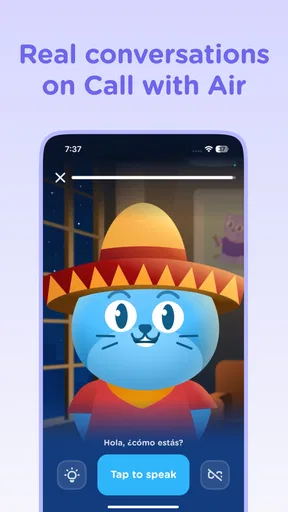
For a busy learner, a compact routine can be more realistic than an ambitious plan: complete one lesson, say a few target phrases out loud, and return to a troublesome item later. The speaking exercises can give practice producing sounds, but I would not treat voice recognition as a full conversation partner. It is most useful as a prompt to try speaking, while real exchanges remain important for handling interruptions, different accents, and follow-up questions.
The social challenges may help if friendly competition gets you to open the app, but I would not let a friend’s pace become the standard for my own learning. People have different schedules and different starting points. If challenges motivate you, use them as a nudge; if they make practice feel like a race, it is reasonable to focus on your own lessons instead.
Questions I would settle before making it a habit
Is it suitable if I am completely new to a language? I think it can be a sensible place to begin if you want guided, bite-sized practice and are comfortable learning through an app. I would pair it with real listening and speaking practice as soon as possible, especially if your goal is to communicate rather than simply complete exercises.
Can it help someone who already knows the basics? It may be useful for refreshing familiar material or building a regular review habit. If you are already advanced, or need precise feedback on complex writing and nuanced conversation, I would look for a tutor, class, or advanced materials alongside it rather than expecting a general learning app to cover every need.
Do I need to pay to see whether I like it? The app is free to install, while in-app purchases are available. I would start by trying the free experience and inspect any offer carefully, including what it unlocks and whether it suits my intended study routine. The listed purchase range is broad, so I would avoid assuming that every learner will need the same option.
What should I do if I cannot install it? The Android requirement is version 11 or later. If your device runs an older version, checking compatibility before planning a study routine can save time; using another learning resource that works on your device may be the simpler choice.
Final Thoughts
So, is Airlearn - Language Learning the app for you? If you’re looking for a fun, engaging, and effective way to tackle a new language, I’d say give it a shot. The app combines practical lessons with a game-like experience that keeps you coming back. Plus, the personalized learning plan and progress tracking ensure that you’re always moving forward.
In my opinion, whether you’re a complete beginner or brushing up on your skills, Airlearn offers a comprehensive package that caters to all levels. So why not download it and start your linguistic adventure today? You might just surprise yourself with how quickly you pick up a new language.
What I would watch as I keep using it
I would pay attention to whether the lessons continue to match my actual goal, not just whether the app gives me another reason to return. If I wanted travel phrases, I would check that my practice leaves me able to recall them in likely situations; if I wanted stronger listening, I would supplement the lessons with unfamiliar voices and longer audio. The app’s current version gives me a clear snapshot of where the product is now, but I would judge future changes by their practical effect on learning rather than by a higher version number alone.
My overall recommendation is to treat Airlearn as an inviting structure for consistent practice, then build around it with real-world use. Its range, short lessons, progress tools, and offline option give different kinds of learners a reason to try it. Its limits matter too: motivation features are not the same as fluency, and a guided course cannot replace tailored feedback when your needs become specific. If that balance sounds right for you, it is a worthwhile app to test; if you need specialized instruction from day one, choose a more targeted resource.
Pros
- User-friendly interface
- easy navigation.
- Wide range of languages available.
- Interactive lessons enhance engagement.
- Offline mode for learning on the go.
- Customizable learning paths.
Cons
- Limited free content
- requires subscription.
- Occasional app crashes reported.
- Pronunciation feature needs improvement.
- In-app ads can be distracting.
- No option for live tutor sessions.
FAQs for Airlearn - Language Learning
What languages can I learn with Airlearn?
Airlearn offers a diverse range of languages to cater to learners of all levels. Currently, the app supports popular languages such as Spanish, French, German, Mandarin, and Japanese. The platform continuously updates its offerings, so it's worth checking the app for the latest language additions.
Is Airlearn suitable for beginners?
Absolutely! Airlearn is designed to accommodate learners at all stages, including complete beginners. The app provides structured courses that start with basic vocabulary and grammar, gradually progressing to more advanced levels. Interactive exercises and engaging content ensure that beginners can learn at their own pace.
Does Airlearn offer offline learning options?
Yes, Airlearn allows users to download lessons for offline access. This feature is particularly useful for those who wish to learn without relying on a stable internet connection. Simply download your desired lessons while connected, and access them anytime, anywhere, even offline.
Are there any community features in Airlearn?
Airlearn includes community features that enable users to connect with fellow learners. Through forums and chat groups, you can engage in language exchanges, share tips, and ask questions. This interactive element enriches the learning experience by fostering a supportive learning community.
How much does Airlearn cost?
Airlearn offers both free and premium subscription plans. The free version provides access to basic lessons and features, while premium subscriptions unlock advanced content, personalized learning paths, and additional resources. Pricing and subscription details can be found within the app or on the official website.


